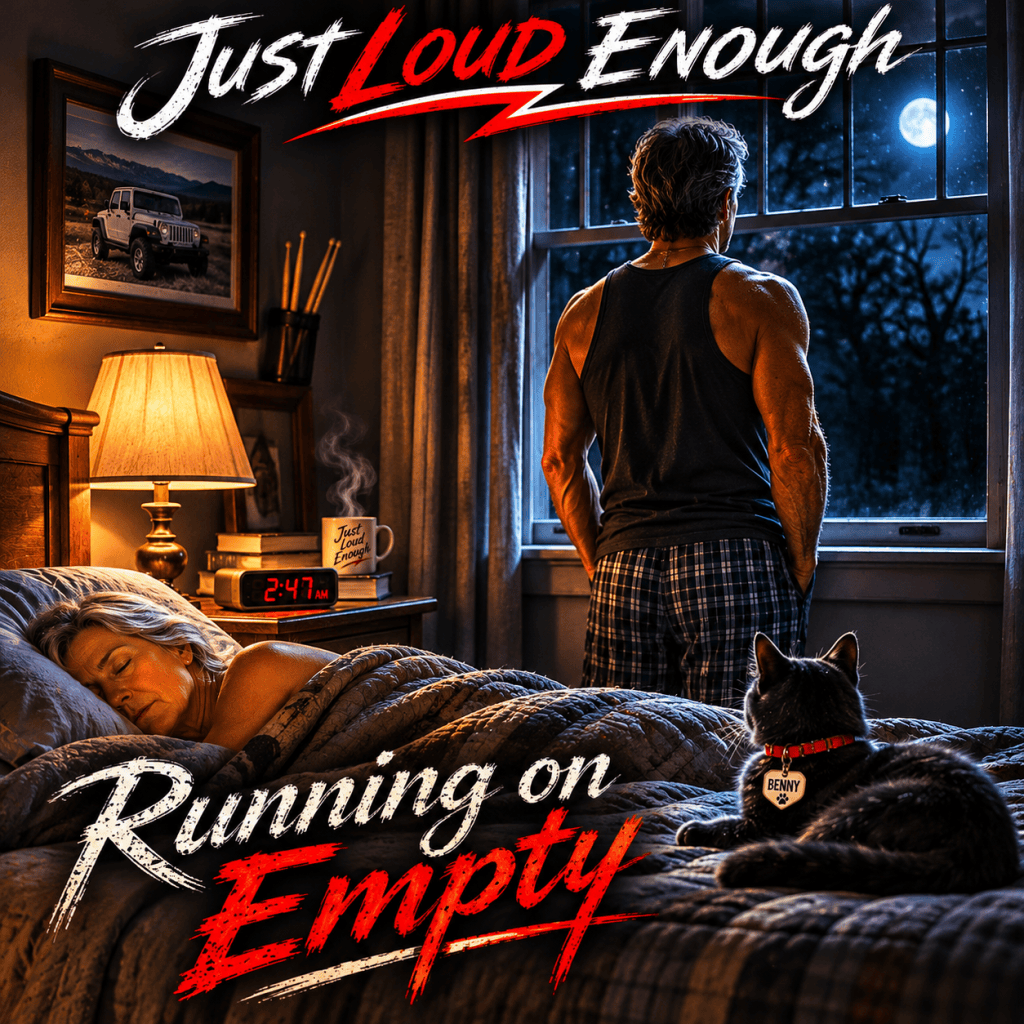
Exhaustion doesn’t just steal our energy; it clouds our judgment, it shortens
our patience, and it endangers others. True strength begins with
recognizing when we’re running on empty. ~Jack Quill
X(yz+1): For decades I thought the cognitive issues, memory lapses, and constant brain fog was either due to a brain tumor or some form of mental illness. It wasn’t until my mid 60’s, at an overnight sleep lab, that I learned I was being pulled out of my restorative sleep cycles anywhere for 15 to 30+ times an hour without ever knowing it.
SLEEP DEPRIVATION: The Danger We Don’t Always See
I know what it’s like to be exhausted. Not just tired after a long day, but the kind of exhaustion that settles into your bones, clouds your thinking, and quietly steals pieces of your life. I’ve spent decades battling restless nights, fragmented sleep, and mornings when my body was awake but my brain hadn’t quite caught up. For years, I didn’t fully understand what was happening to me. I simply accepted it as normal and pushed forward. Today, I still have plenty of those nights, but there’s one enormous difference: I know what I’m dealing with, and I’ve learned to respect it.
Sleep deprivation isn’t simply about feeling tired. It’s about what happens to the body and mind when they repeatedly miss the opportunity to recover. Chronic insufficient sleep is associated with increased risks of cardiovascular disease, high blood pressure, diabetes, depression, and cognitive difficulties. Attention, memory, judgment, and reaction time can all suffer. Even our ability to recognize how poorly we’re functioning can become impaired. That’s one of the cruelest tricks of sleep deprivation: the more accustomed we become to exhaustion, the easier it is to convince ourselves that we’re functioning just fine. I know, because I spent years doing exactly that.
But there’s another side to sleep deprivation that deserves far more attention: what our exhaustion can do to the people around us. Fatigue fuels emotion. When we’re running on empty, patience becomes a luxury, frustration comes easily, and little problems can suddenly feel enormous. A tired parent may lash out at a child who simply needs attention. A sleep-deprived husband or wife may turn an innocent comment into an unnecessary argument. Even a stranger working behind a checkout counter can become the target of someone’s exhaustion-fueled irritation. None of this excuses mistreating people, but understanding the connection between fatigue and emotional control might help us recognize what’s happening before we say or do something we regret.
Then there’s the danger that goes beyond hurt feelings. Imagine climbing behind the wheel of a 3,000- or 4,000-pound vehicle when your attention is compromised and your reflexes are slower than you realize. Or operating machinery, repairing equipment, administering medication, or performing any task where one small mistake could change somebody’s life forever. Sleep deprivation can produce lapses in attention and even microsleeps—brief episodes of sleep that can occur without warning. A vehicle traveling at highway speed covers an astonishing distance in just a few seconds. The consequences don’t care whether you’re a good person, an experienced driver, or someone who has driven the same road a thousand times. Exhaustion doesn’t discriminate.
I’ve learned to make adjustments, and one of the most important involves driving. If I’m tired enough that my attention or reaction time might be compromised, I don’t drive. My lady takes over. It’s that simple. There’s no embarrassment in admitting you’re not at your best, and there’s certainly no prize for proving you can push through exhaustion. The same principle applies to conversations, decisions, and responsibilities. Sometimes the smartest thing we can do is recognize that our judgment isn’t where it should be and postpone something until we’re better rested. That isn’t weakness. It’s responsibility.
What concerns me most is how casually we’ve learned to treat chronic sleep deprivation. We celebrate people who get by on four or five hours of sleep, admire those who never slow down, and sometimes wear exhaustion like a badge of honor. Meanwhile, millions of people may be struggling through their days without realizing how much their health, relationships, productivity, and judgment are being affected. I understand that not everyone can simply decide to sleep longer. Some of us battle genuine sleep disorders, chronic pain, caregiving responsibilities, or other circumstances that make restful nights difficult. Telling someone to “just get more sleep” can be about as useful as telling someone with poor eyesight to “just see better.” Sometimes the answer requires medical help, lifestyle changes, patience, and a great deal of persistence.
I still fight this battle. Some nights are better than others, and there are mornings when I feel remarkably good despite getting less sleep than I’d like. But I’ve stopped pretending that exhaustion is harmless or that determination alone can overcome it. I’ve learned to pay attention to my limitations, make adjustments, and recognize when my body and mind need a break. Sleep deprivation doesn’t just affect the person losing sleep. It can affect everyone whose life touches theirs. And perhaps one of the greatest responsibilities we have—to ourselves and to the people around us—is knowing when we’re too tired to be the person we want to be.
~Wayne Brightman
©2026 Just Loud Enough .Com
Stories worth telling. Music worth hearing.

